

The rise and evolution of casinos tracing their history through time
Origins of Gambling and Early Casinos
The concept of gambling dates back thousands of years, with evidence of dice games found in ancient civilizations like Mesopotamia and China. These early forms of gambling involved simple games of chance, where participants wagered on outcomes, often using rudimentary tokens or objects. As societies evolved, so too did the complexity of their gaming practices, leading to the establishment of early gaming houses, which can be viewed as the predecessors of modern casinos. Today, online platforms like https://weddingbellsphotography.co.uk/ showcase how far the industry has come.
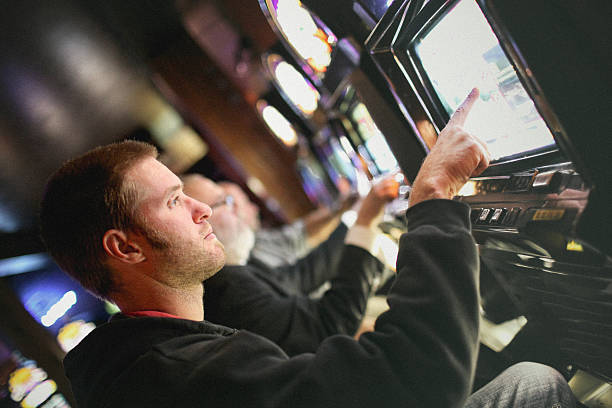
In ancient Rome, gambling was popular among the masses, with various games played during public festivities. The Romans created rules and regulations governing these activities, indicating a recognition of gambling’s potential for both entertainment and financial gain. The first structured betting activities can be traced to this era, where public betting offices emerged, laying foundational principles for modern casino operations.
During the Middle Ages, gambling maintained its popularity, especially in Europe, though often met with religious and societal scrutiny. The rise of the aristocracy and the development of structured gaming laws in cities such as Venice and Monte Carlo helped to create a more organized gambling environment. These establishments began offering a wider variety of games, setting the stage for the glitzy casinos of today.
The Birth of Modern Casinos
The modern casino as we know it began to take shape in the 17th century, notably with the establishment of the Casino di Venezia in Italy. This marked a significant transformation as gambling houses transitioned from private settings to more public venues, catering to affluent patrons. The Casino di Venezia offered games such as faro and baccarat, attracting the elite and signaling the start of a new era in gaming.
The 18th century saw the introduction of more sophisticated gaming systems, including the roulette wheel, which was invented in France. The popularity of this game spread rapidly, and casinos began to flourish across Europe. The iconic Monte Carlo Casino opened its doors in 1863, becoming a symbol of opulence and luxury, and establishing a model that many casinos worldwide would strive to emulate.
As the 19th century progressed, casinos began to diversify their offerings, incorporating entertainment options beyond traditional gambling. This evolution included live music, fine dining, and other amenities designed to enhance the overall experience. The combination of gaming and entertainment solidified the casino’s place in society as a premier destination for leisure and socialization.
The American Casino Boom
The rise of casinos in the United States can be traced back to the Gold Rush era in the mid-19th century. Towns like San Francisco became hotbeds for gambling, with establishments popping up to cater to miners and settlers looking for entertainment. However, it wasn’t until the early 20th century that legalized casinos began to emerge, with Nevada leading the way in 1931 by legalizing gambling.
The establishment of Las Vegas as a gambling hub transformed the casino landscape entirely. The construction of lavish resorts and casinos during the 1950s and 1960s, such as the Sands and the Flamingo, redefined the industry, appealing to a broader audience. Las Vegas became synonymous with gambling and entertainment, attracting millions of visitors each year and inspiring similar developments in other regions.
In the latter part of the 20th century, the casino industry experienced further expansion with the legalization of gambling in Atlantic City, New Jersey, in 1976. This move introduced a new competitive landscape for Las Vegas and prompted states across the nation to explore the potential economic benefits of legalized gaming. The proliferation of Native American casinos throughout the 1990s also played a significant role in diversifying the casino landscape in the U.S.
Technological Advances and Online Casinos
The turn of the 21st century marked a significant shift in the casino industry due to technological advancements. The introduction of the internet revolutionized the way people approached gambling, leading to the rise of online casinos. These platforms offered players the convenience of gambling from home, with a vast array of games available at their fingertips. Companies quickly adapted to this shift, developing sophisticated software to replicate the casino experience digitally.
Online casinos provide various games, including slots, poker, and live dealer options, catering to a diverse audience. The integration of advanced encryption technology has enhanced security and built trust among players. As a result, online gambling has skyrocketed in popularity, leading to a shift in the traditional casino paradigm.
Mobile gaming further enhanced this evolution, allowing players to access their favorite casino games via smartphones and tablets. The rise of apps and mobile-optimized websites has created a seamless gaming experience, ensuring that players can enjoy gaming anytime and anywhere. This growth trend shows no signs of slowing, as innovations continue to reshape the landscape of both online and traditional casinos.
The Future of Casinos
The future of casinos appears promising, with ongoing innovations expected to shape the industry profoundly. Virtual reality (VR) and augmented reality (AR) technologies are beginning to find their place in the casino experience, offering immersive environments that transport players into a lifelike gaming atmosphere. These advancements could redefine how patrons interact with games, creating a more engaging and social environment.
Furthermore, regulatory changes and the evolving landscape of online gambling will likely influence the direction of the casino industry. As more jurisdictions consider legalizing online gaming, the competition will increase, pushing casinos to innovate continually and enhance the player experience. The incorporation of blockchain technology may also change how transactions are conducted within the gaming sphere, providing an added layer of transparency and security.
Ultimately, casinos will need to adapt to the changing preferences of consumers, focusing on providing unique and memorable experiences that blend traditional gaming with modern technological advancements. As the industry evolves, staying ahead of trends and understanding player needs will be crucial for casinos to thrive in this dynamic environment.

Exploring Lizaro Casino
Lizaro Casino represents a leading force in the online gaming industry, providing a vast array of over 10,000 titles, including more than 8,000 slots from top providers like Play’n GO and Pragmatic Play. New players are welcomed with an enticing bonus of 250% up to €3,000, along with 350 free spins, making it an attractive option for enthusiasts looking to dive into the online gaming world.
The site emphasizes security and user experience, employing SSL/TLS encryption and strict KYC checks to ensure a safe gaming environment. Lizaro Casino aims to cater to all players, offering classic slots, live tables, and instant-win games in a user-friendly interface. With 24/7 customer support, players can enjoy peace of mind while exploring the thrilling gaming adventure that awaits.
As the casino industry continues to evolve, Lizaro Casino stands out as a pioneer, combining the excitement of traditional gaming with the convenience of online play. By embracing innovation and ensuring a quality experience, Lizaro is well-positioned to lead the way into the future of casinos.